
Leading Products For Suspended Ceiling Installations You Can Trust
Explore essential tools and materials designed to ensure a smooth and secure suspended ceiling setup for any project.
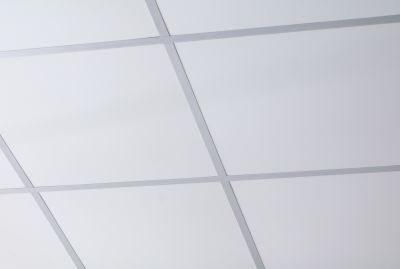 Suspended ceiling installations are a popular choice for both commercial and residential spaces due to their versatility, ease of access, and aesthetic appeal. These systems typically consist of a grid framework suspended from the structural ceiling, which supports various ceiling finishes such as tiles, panels, or acoustical materials. Selecting the right products for installation is essential to ensure a secure, durable, and visually appealing ceiling. The process involves choosing appropriate grid components, support wires, and ceiling tiles that align with the specific requirements of the space, including load capacity, acoustic properties, and design preferences.
Top Overall Option
Suspended Ceiling Grid System
A modular suspended ceiling grid system provides a versatile framework that supports a wide range of ceiling tiles and panels. Designed for easy installation, these systems typically include main runners, cross tees, and wall angles that create a customizable grid. They are suitable for various environments, offering options for acoustic performance, fire resistance, and moisture resistance. When properly assembled, a suspended ceiling grid system ensures a stable and level ceiling surface, facilitating maintenance access and future modifications.
Types of Products For Suspended Ceiling Installations
Ceiling Grid Components
Includes main runners, cross tees, wall angles, and connectors designed to form the structural framework of suspended ceilings.
Suspension Wires and Hangers
Support wires and hangers used to suspend the grid system from the structural ceiling, ensuring stability and proper height.
Ceiling Tiles and Panels
Various materials such as mineral fiber, metal, or acoustic panels that fit into the grid framework to create the finished ceiling surface.
Acoustic Insulation
Materials designed to absorb sound and reduce noise transmission, often installed above or within ceiling tiles.
Fire-Resistant Components
Specialized grid and tile options that enhance fire safety and comply with building codes.
Moisture-Resistant Panels
Ceiling panels designed for humid environments such as bathrooms and kitchens, resistant to mold and deterioration.
Lighting Fixtures Mounts
Accessories and brackets that facilitate the installation of lighting within the suspended ceiling system.
Access Panels
Removable sections integrated into ceiling tiles or panels for easy access to plumbing, wiring, or HVAC components.
Edge Trims and Molding
Finishing pieces that provide clean edges and a polished appearance around the perimeter of the ceiling.
Tools and Fasteners
Specialized tools, screws, and clips required for precise installation and secure fastening of all components.
Popular Choices
Widely used for various commercial and residential projects, offering flexibility and ease of assembly.
Popular for their sound-absorbing qualities, suitable for offices and entertainment spaces.
Common in bathrooms and kitchens, these panels help prevent mold and water damage.
Chosen for compliance with safety standards, especially in commercial buildings.
Convenient for maintenance and inspections, frequently installed in commercial settings.
Valued for durability and modern aesthetic, often used in industrial or contemporary designs.
Popular for their acoustic properties and ease of installation in various environments.
Trending for energy-efficient lighting solutions embedded within suspended ceilings.
Commonly used for precise height adjustments during installation.
Enhance the visual finish of the ceiling perimeter with stylish trims.
Installed above ceiling tiles to improve soundproofing in multi-use spaces.
Essential for securing grid components and support wires during assembly.
Favored for quick installation and ease of handling in various environments.
Combine aesthetics with sound absorption, popular in modern interior designs.
Facilitate seamless integration of lighting fixtures within suspended ceilings.
The installation of suspended ceilings requires careful planning and the use of specialized hardware to ensure safety and longevity. Components such as T-bars, main runners, cross tees, hangers, and clips work together to form a reliable grid system. Compatibility between these elements is crucial to prevent sagging or misalignment over time. Additionally, considerations like accessibility for maintenance, fire resistance, and sound absorption influence the selection of products. Proper tools and safety equipment are also necessary to facilitate a smooth installation process.
When choosing products for suspended ceiling systems, it is important to consider factors such as weight capacity, ease of installation, and compatibility with existing structures. Whether installing a new ceiling or replacing an old one, the right components can simplify the process and improve the overall outcome. Many products are designed to accommodate specific needs, such as moisture resistance for bathrooms or enhanced soundproofing for offices. Investing in quality components can help achieve a professional finish and ensure the ceiling remains secure over time.
Overall, understanding the variety of available products and their specifications enables informed decision-making. Properly selected materials not only contribute to the aesthetic appeal of a space but also support safety and functionality. By focusing on durable, compatible, and easy-to-install options, homeowners and contractors can create suspended ceilings that meet their specific requirements and expectations.
Key Buying Considerations
- Compatibility of components to ensure a cohesive system.
- Weight capacity of grid components for supporting ceiling tiles and fixtures.
- Material durability and resistance to moisture, fire, or impact based on environment.
- Ease of installation, including the availability of installation tools and instructions.
- Acoustic properties of ceiling tiles for noise control requirements.
- Aesthetic options, such as finishes, colors, and edge profiles.
- Compliance with local building codes and safety standards.
- Accessibility features like removable panels for maintenance purposes.
- Compatibility with lighting fixtures, vents, or other integrated systems.
- Cost-effectiveness balanced with quality and durability.
- Availability of replacement parts and accessories.
- Environmental conditions, including humidity and temperature fluctuations.
- Environmental factors like susceptibility to mold or corrosion.
- Installation time and complexity, especially for large or complex spaces.
- Warranty and support offered by the supplier or manufacturer.